The technology is the same — a website, a Website AI Chatbot and a WhatsApp AI Chatbot trained on one set of business facts. The customer journey is not. A property viewing, a dental appointment, a dinner table and a salon chair each fail at a different point. This hub shows where the system fits each trade.
The strongest niche pattern in our keyword research: buyers search for the website, the chatbot and the WhatsApp follow-up as one journey.
A buyer or tenant finds an agent outside office hours, asks about an area or property, and receives no useful reply until the next day. By then they have contacted three other agents. Agents also repeat the same location, budget, availability and viewing questions while the serious negotiation waits.
A website gives each service and area a clear home. A chatbot for real estate business visitors captures budget, area, timeframe and contact details. The WhatsApp AI Chatbot continues the conversation, collects viewing requests and sends reminders and follow-ups.
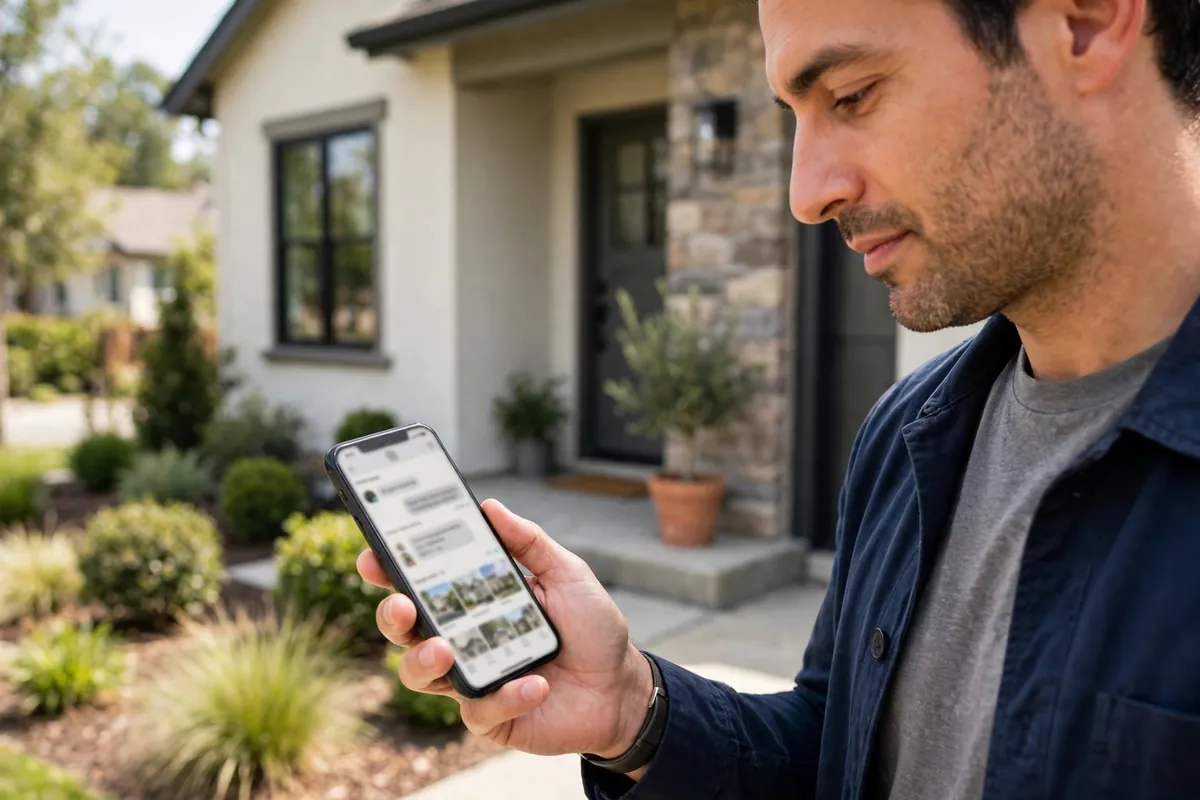
It can collect the property or area the customer is interested in, a preferred day and time, their name and their phone number, then pass the request to the agent for confirmation. It should not promise that a property is available unless that fact is in the information it has been trained on.
Yes, for customers who have messaged the business or opted in, within WhatsApp's rules. It can send the next step, a viewing reminder and a polite follow-up — the messages that often decide whether a warm enquiry becomes an appointment.

For clinics, the website earns trust, the bot organises appointment requests, and WhatsApp protects the calendar.
Reception teams field the same questions about treatments, fees, timings, insurance process and directions while patients are physically in front of them. After hours, a prospective patient sees a contact form and often chooses the practice that answered first.
The website design explains treatments and the practice clearly. An AI chatbot for dentists answers supplied fees and practice information and gathers appointment requests. The WhatsApp bot confirms details, sends reminders and hands urgent or clinical matters to a human.

Yes. It can ask for the treatment area the patient is asking about, a preferred day and time, the patient's name and phone number, and pass a complete request to the practice. Urgent symptoms and clinical questions should be handed to the practice team rather than answered as medical advice.
No. It can only quote the fees and explanations the practice supplies during training. If a treatment is not listed or the price depends on an examination, the bot should say that clearly and offer to arrange contact with the practice.
Menus, hours and location get the visit. Speed gets the table request or order.
Restaurant teams are busiest exactly when customers message: evenings, weekends and holidays. Questions about the menu, opening hours, delivery area, table availability and group bookings pile up while staff are serving people already in the room.
The website carries the menu, photos, location and hours. The website bot answers quick questions and captures table requests. The WhatsApp bot can collect an order, confirm its details and keep repeat customers reachable for offers they have opted into.

Yes. It can collect the date, time, party size, name and phone number, then pass the request for confirmation. It can also answer the repetitive questions around menus, opening hours, location and delivery rules from the restaurant's own information.
It can collect items, quantities, delivery or collection choice, address and timing, then confirm the order details back to the customer and pass them to the restaurant. Payment follows the process the restaurant already uses and explains in the chat.
Salons sell time. Every unanswered price question and forgotten appointment is inventory that cannot be recovered.
While a stylist or therapist is with a client, Instagram and WhatsApp fill with service comparisons, price questions and appointment requests. Replies go out hours later, sometimes after the customer has booked the salon that answered during the treatment.
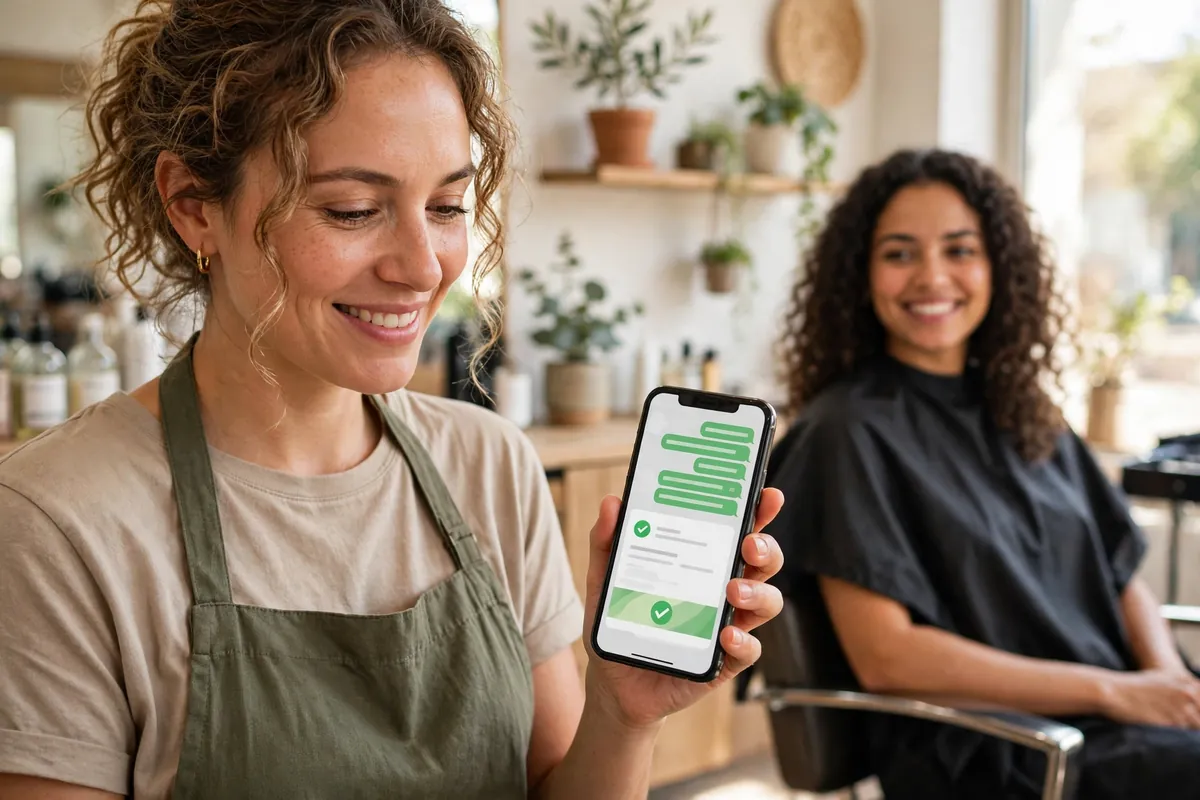
A salon website lays out services, prices, photos and opening hours. The Website AI Chatbot answers from that price list and collects preferred times. The WhatsApp AI Chatbot confirms appointments, sends reminders and follows up after a visit.

Yes, when the salon supplies its service list and prices for training. The bot can explain the difference between services, state opening hours and collect the customer's preferred appointment time without the owner stopping work to type the same answers repeatedly.
It can send a friendly reminder before the appointment and a follow-up afterwards, using the booking details collected in the chat. Reminders cannot guarantee that every customer attends, but they remove the common problem of a confirmed appointment simply being forgotten.
If customers ask the same questions, book time, request quotes or order through messages, the same three-part system can be trained for the trade. Start with the service that matches the bottleneck: Website Design for discovery, Website AI Chatbot for visitor questions, or WhatsApp AI Chatbot for bookings and repeat customers. Published figures for every route are on Pricing.
One WhatsApp message with your industry, city and biggest missed-message problem is enough. We will recommend the smallest useful setup — not automatically the largest package.
Book on WhatsApp →